
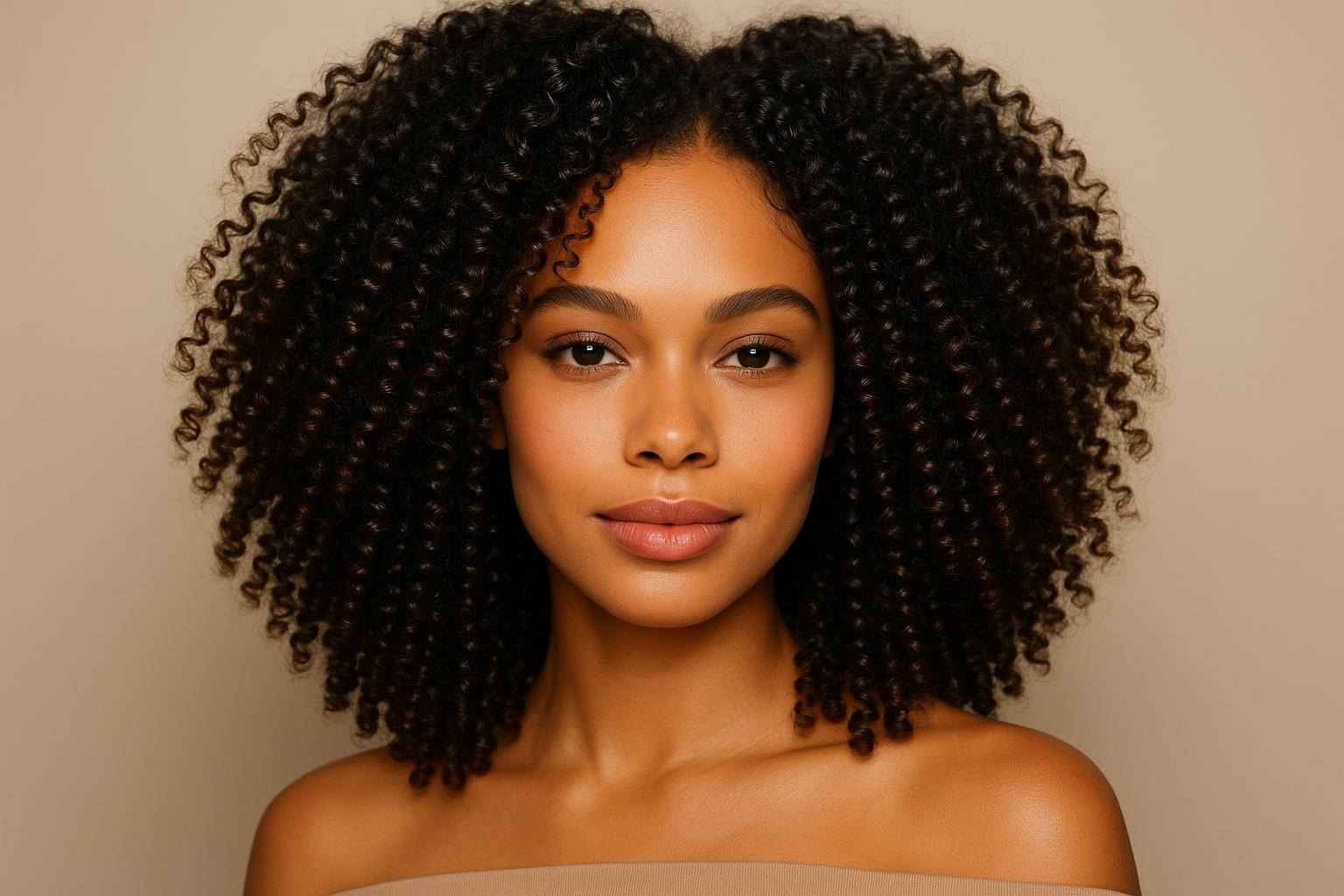
Curly Hair Care in Beverley: Expert Tips for Gorgeous, Healthy Curls
Master the art of caring for your curly hair with expert advice from Beverley's top curl specialists. From the Curly Girl Method to finding the perfect products.
Curly Hair Care in Beverley: Expert Tips from Local Stylists
Curly hair possesses a unique beauty that straight-haired individuals often envy, yet many people with natural curls struggle to embrace and properly care for their texture. The journey to healthy, defined curls requires understanding your specific curl pattern, using appropriate products and techniques, and finding stylists who truly understand curly hair. In Beverley, a growing number of salons now specialize in curly hair care, offering services and expertise that can transform your relationship with your natural texture.
Understanding Your Curl Type
The first step in proper curly hair care is identifying your specific curl pattern. Hair texture exists on a spectrum, and understanding where your hair falls on this spectrum helps you choose the right products, styling techniques, and salon services.
Type 2 hair encompasses wavy textures that form an S-shape pattern. Type 2A waves are fine and easily straightened, while 2B waves are more defined and prone to frizz. Type 2C waves border on curly, with well-defined S-shaped strands that can be resistant to styling. Many people with Type 2 hair don't realize they have wavy hair at all, as traditional haircare methods often disrupt the natural wave pattern.
Type 3 hair represents true curls that form definite spiral or ringlet patterns. Type 3A curls are loose and bouncy, typically the circumference of sidewalk chalk. Type 3B curls are tighter, about the size of a marker, and have more volume. Type 3C curls are even tighter and denser, with strands that can be as fine as a pencil or even tighter. Type 3 hair tends to be more prone to frizz and dryness than wavy hair.
Type 4 hair consists of coily or kinky textures with a tight zigzag pattern. Type 4A coils have a defined S-pattern, while 4B hair has a less defined pattern with sharp angles. Type 4C hair has the tightest curl pattern with minimal definition. Type 4 hair is the most fragile and requires the most moisture and gentle handling.
Most people don't have just one curl type throughout their entire head. It's common to have 2C waves at the crown, 3A curls in the mid-lengths, and 3B ringlets at the nape. Understanding this variation helps you customize your care routine to address the different needs of various sections.
The Curly Girl Method
The Curly Girl Method, developed by Lorraine Massey and detailed in her book "Curly Girl: The Handbook," has revolutionized how people with curly hair care for their texture. While not everyone follows the method strictly, its core principles have become foundational to modern curly hair care.
The method's primary rule is eliminating sulfates, silicones, and heat styling. Sulfates are harsh cleansing agents found in most shampoos that strip natural oils from hair, leaving curls dry and frizzy. Silicones create a coating on hair that can look shiny initially but prevents moisture from penetrating the hair shaft and can build up over time, weighing down curls.
Instead of traditional shampooing, the Curly Girl Method advocates for co-washing (washing with conditioner only) or using sulfate-free, low-poo shampoos. This gentler cleansing approach maintains your hair's natural moisture balance while still removing dirt and product buildup. Many curly-haired individuals find they can wash their hair less frequently when following this method, as their scalp produces less oil when it's not being stripped by harsh sulfates.
The method emphasizes the importance of proper conditioning and moisture. Curly hair is naturally drier than straight hair because the oils from your scalp have difficulty traveling down the spiral shape of curly strands. Deep conditioning treatments become essential rather than optional, providing the intensive moisture that curly hair craves.
Styling techniques under the Curly Girl Method focus on encouraging curl formation while minimizing frizz. The "squish to condish" technique involves squishing conditioner into soaking wet hair, allowing water and product to penetrate the hair shaft. Plopping, where you wrap wet hair in a t-shirt or microfiber towel to dry, helps curls set without the frizz caused by traditional towel-drying. Scrunching gel or mousse into wet hair and allowing it to air-dry or diffuse on low heat creates a cast that holds curl definition, which you then scrunch out once dry for soft, defined curls.
Essential Products for Curly Hair
Building an effective curly hair routine requires investing in products specifically formulated for curly textures. While product preferences vary based on individual curl patterns and hair properties, certain categories are essential for most curly-haired individuals.
A gentle, sulfate-free cleanser forms the foundation of curly hair care. Look for products labeled as low-poo or co-wash, which clean your scalp and hair without stripping natural oils. Some curly-haired individuals alternate between cleansing methods, using a low-poo shampoo weekly and co-washing in between, while others co-wash exclusively.
A rich, moisturizing conditioner is non-negotiable for curly hair. Your conditioner should provide slip, making it easy to detangle your hair while it's saturated with product. Many people with curly hair use significantly more conditioner than they did when following traditional haircare routines, and that's perfectly appropriate for curly textures.
Deep conditioning treatments or hair masks should be used weekly or bi-weekly, depending on your hair's needs. These intensive treatments provide extra moisture and protein, helping to repair damage and maintain hair health. Look for products with ingredients like shea butter, coconut oil, or argan oil for moisture, and hydrolyzed proteins for strength.
Leave-in conditioner serves as a styling foundation, providing moisture that lasts throughout the day. Applied to soaking wet hair, leave-in conditioner helps with detangling and provides a base layer of hydration before you add styling products.
Styling products help define curls and control frizz. Gels provide the strongest hold and definition, creating a cast that protects curls as they dry. Mousses offer lighter hold with more volume. Creams provide moisture and light definition without crunch. Many curly-haired individuals layer products, using a combination of leave-in, cream, and gel to achieve their desired results.
Curly Hair Cutting Techniques
The way curly hair is cut dramatically affects how it looks and behaves. Traditional cutting methods designed for straight hair often create unflattering shapes and uneven lengths when applied to curly textures. Specialized curly cutting techniques have emerged to address the unique needs of textured hair.
Dry cutting has become the gold standard for curly hair. When curly hair is cut wet, it's impossible to see how the curls will spring up when dry, often resulting in hair that's shorter than intended or unevenly distributed. Cutting dry hair allows stylists to see exactly how each curl falls and to cut with the natural curl pattern rather than against it.
The DevaCut, developed by the Devachan Salon in New York, is perhaps the most well-known curly cutting technique. This method involves cutting each curl individually while the hair is dry and in its natural state. The stylist cuts curl by curl, removing weight and creating shape that works with your natural pattern. DevaCuts typically result in more volume at the crown and a rounded, flattering shape that enhances curl definition.
The Rezo Cut, created by Nubia Suarez, takes a different approach by cutting curls at an angle while the head is flipped upside down. This technique creates internal layers that add volume and remove bulk without creating the stacked, triangular shape that traditional layering can produce in curly hair.
Regardless of the specific technique used, curly hair cuts should focus on removing bulk from the right places, creating shape that flatters your face and head shape, and maintaining length where you want it. A skilled curly hair stylist will consider your curl pattern, density, and how you typically style your hair when creating your cut.
Best Salons for Curly Hair in Beverley
Finding a stylist who truly understands curly hair can be challenging, but Beverley offers several excellent options for curly-haired clients seeking specialized care.
De Lacy Hair and Beauty - Editor's Choice
De Lacy Hair and Beauty [blocked] has invested significantly in curly hair education, with multiple stylists trained in specialized curly cutting techniques. Their approach to curly hair begins with understanding that no two curl patterns are identical, and each client requires a customized approach.
During your consultation, De Lacy stylists take time to discuss your current routine, your frustrations with your curls, and your styling goals. They'll examine your curl pattern, assess your hair's porosity and density, and recommend both in-salon services and at-home care strategies tailored to your specific needs.
The salon offers dry cutting services specifically designed for curly hair, ensuring your cut works with your natural texture rather than against it. Their stylists understand how to remove bulk without creating frizz, how to add layers that enhance rather than disrupt curl pattern, and how to create shapes that look beautiful whether you wear your hair curly or occasionally straighten it.
De Lacy also provides curly hair styling services, teaching you techniques for achieving salon-quality results at home. They can demonstrate proper product application, show you how to diffuse without creating frizz, and help you develop a routine that works with your lifestyle and skill level.
The salon stocks a carefully curated selection of curly hair products, including sulfate-free cleansers, rich conditioners, and styling products suitable for various curl types. Their staff can recommend specific products based on your hair's needs, taking the guesswork out of product selection.
Located at HU17 9AQ, De Lacy welcomes curly-haired clients of all textures and experience levels, whether you're just beginning to embrace your natural texture or you're a curly hair veteran seeking a new stylist.
Rick Roberts Hair
Rick Roberts Hair [blocked] offers excellent services for curly-haired clients, with stylists experienced in working with various curl patterns. They provide consultations focused on understanding your hair's unique characteristics and creating cuts that enhance your natural texture. The salon's welcoming atmosphere makes it easy to discuss your curl concerns and goals.
Creation Hair Design
Creation Hair Design [blocked] provides specialized curly hair services with a focus on healthy hair practices. Their stylists understand the importance of moisture and gentle handling for curly textures, and they can recommend products and techniques to improve your curl definition and overall hair health.
Common Curly Hair Challenges and Solutions
Even with proper care, curly hair presents unique challenges that require specific solutions.
Frizz remains the most common complaint among curly-haired individuals. While some frizz is normal and even beautiful, excessive frizz usually indicates a moisture problem. Increasing your deep conditioning frequency, using more leave-in conditioner, and ensuring you're applying styling products to soaking wet hair can all help reduce frizz. Additionally, avoid touching your hair while it dries, as this disrupts the curl pattern and creates frizz.
Lack of definition often results from using products that are too heavy or too light for your curl type. Experiment with different product combinations and application techniques. Some curls respond better to gel, while others prefer mousse or cream. The amount of product you use also matters—curly hair typically requires more product than you might expect.
Uneven curl pattern, where some sections are curlier than others, is completely normal. However, if you're experiencing significant unevenness, it might indicate damage in certain areas or inconsistent product application. Ensure you're distributing products evenly throughout your hair, and consider whether heat damage or chemical processing has affected some sections more than others.
Dryness and breakage signal that your hair needs more moisture and protein. Increase your deep conditioning frequency, consider adding a protein treatment to your routine if you haven't already, and examine your styling techniques to ensure you're not causing mechanical damage through rough handling or tight hairstyles.
Embracing Your Natural Texture
The journey to embracing your natural curls is as much emotional as it is practical. Many people with curly hair have spent years fighting their texture, straightening it regularly, or feeling frustrated by its behavior. Learning to work with your curls rather than against them requires patience, experimentation, and often a shift in mindset.
Give yourself time to learn what works for your specific hair. What works beautifully for one curly-haired person might not work for you, even if your curl patterns look similar. Your hair's porosity, density, and individual characteristics all affect how it responds to products and techniques.
Document your routine when you achieve results you love. Take photos, write down the products you used and in what order, and note the techniques you employed. This documentation helps you replicate successful results and identify what doesn't work.
Connect with the curly hair community, both locally and online. Social media platforms host vibrant communities of curly-haired individuals sharing tips, product recommendations, and encouragement. Learning from others' experiences can shortcut your own learning curve and help you avoid common mistakes.
Most importantly, remember that beautiful curly hair doesn't mean perfect curls every day. Some days your curls will be more defined than others, and that's perfectly normal. The goal is healthy hair that you feel confident wearing in its natural state, not achieving some impossible standard of perfection.
Your curls are unique to you, and learning to care for them properly opens up a world of styling possibilities and confidence. With the right knowledge, products, and professional support from experienced curly hair stylists, you can achieve the healthy, defined curls you've always wanted.
Ready to embrace your natural curls? Book a curly hair consultation at De Lacy Hair and Beauty [blocked] to discover the best cut and care routine for your unique curl pattern.
Share this article
You might also like
More articles on hair care and related topics
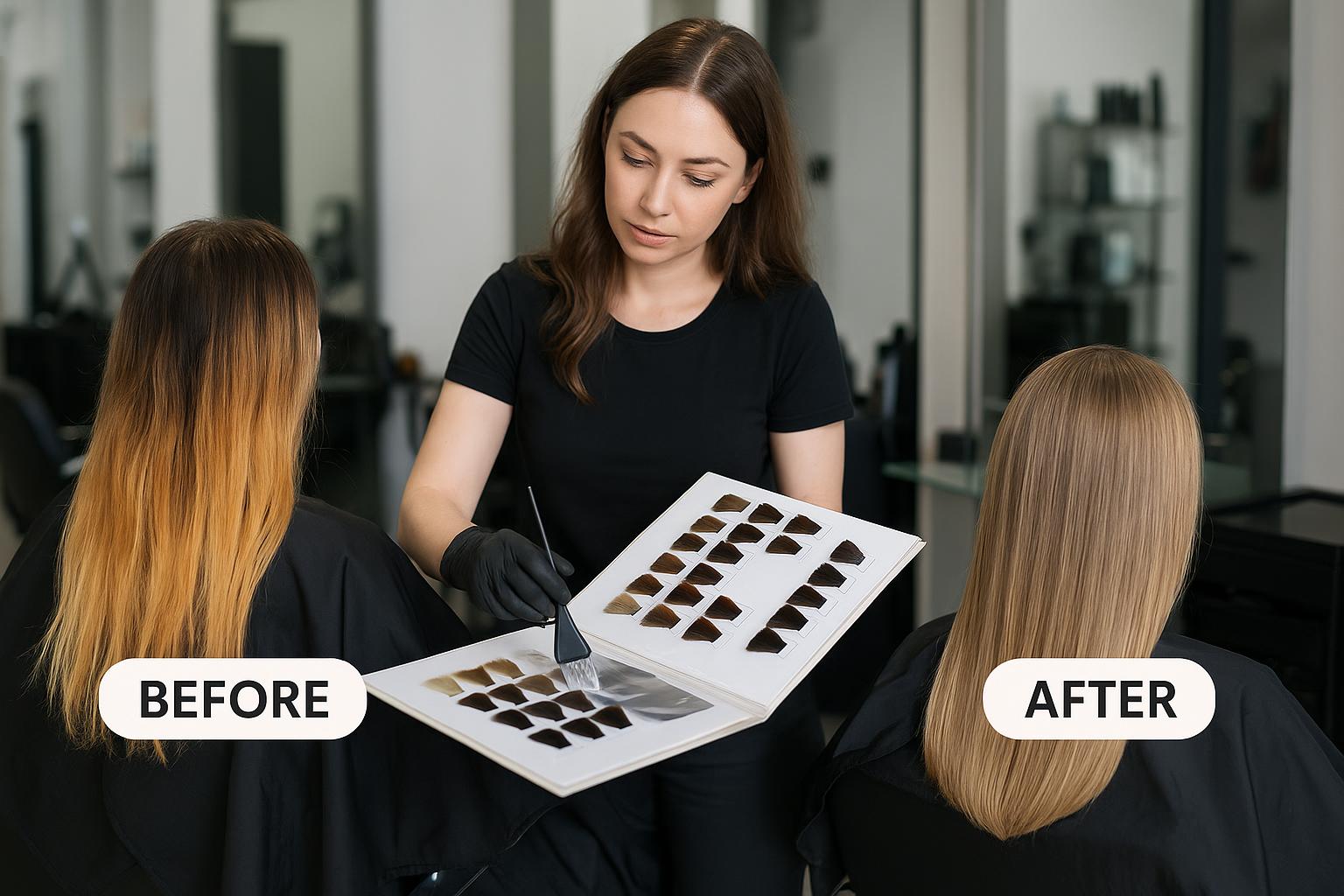
Hair Color Correction in Beverley: Fixing Hair Color Disasters
Had a hair color disaster? Learn everything about professional color correction services in Beverley and how expert colorists can restore your hair to its former glory.
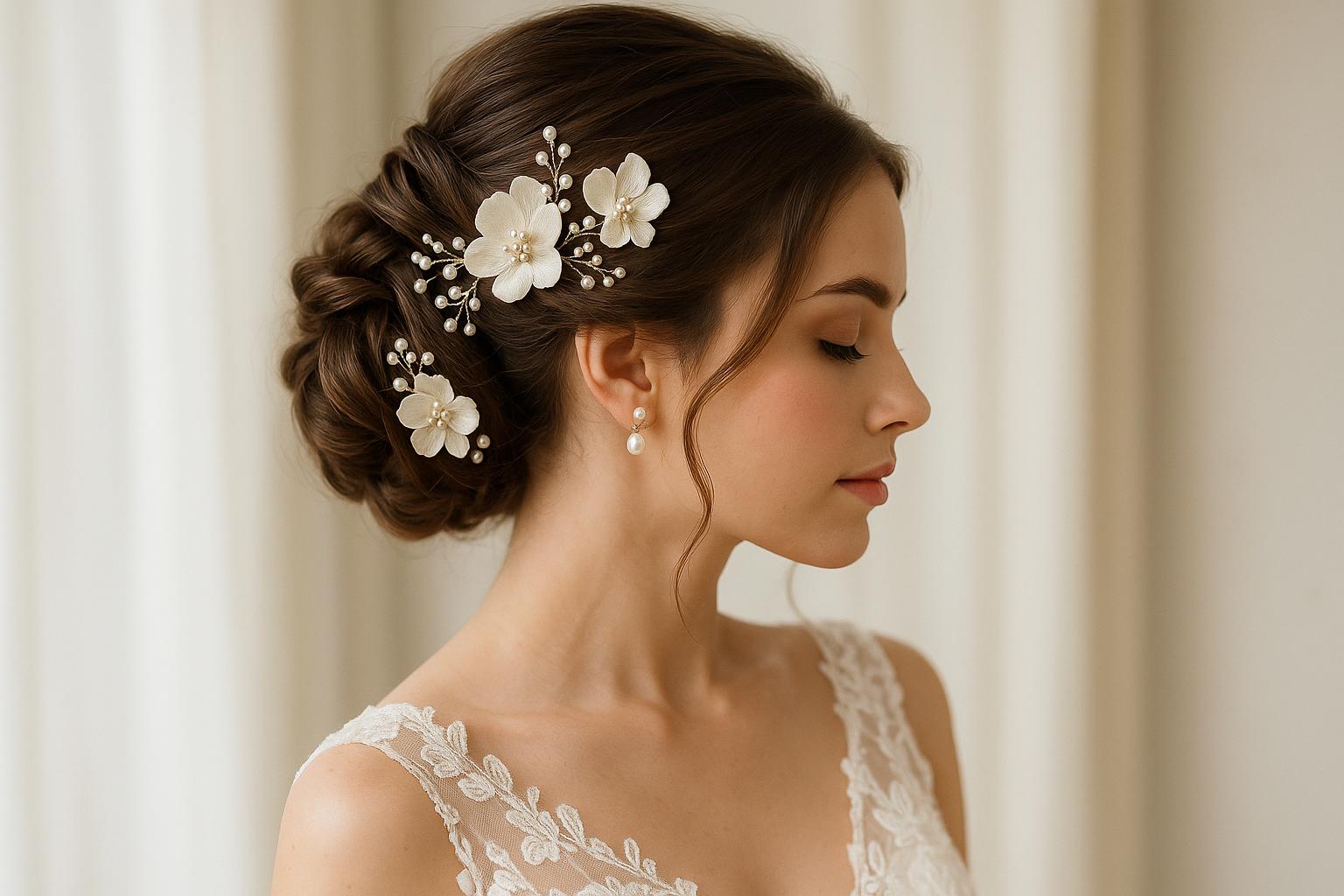
Bridal Hair Trials in Beverley: Everything You Need to Know
Plan the perfect wedding hair with our comprehensive guide to bridal hair trials. Learn what to expect, how to prepare, and find the best bridal stylists in Beverley.
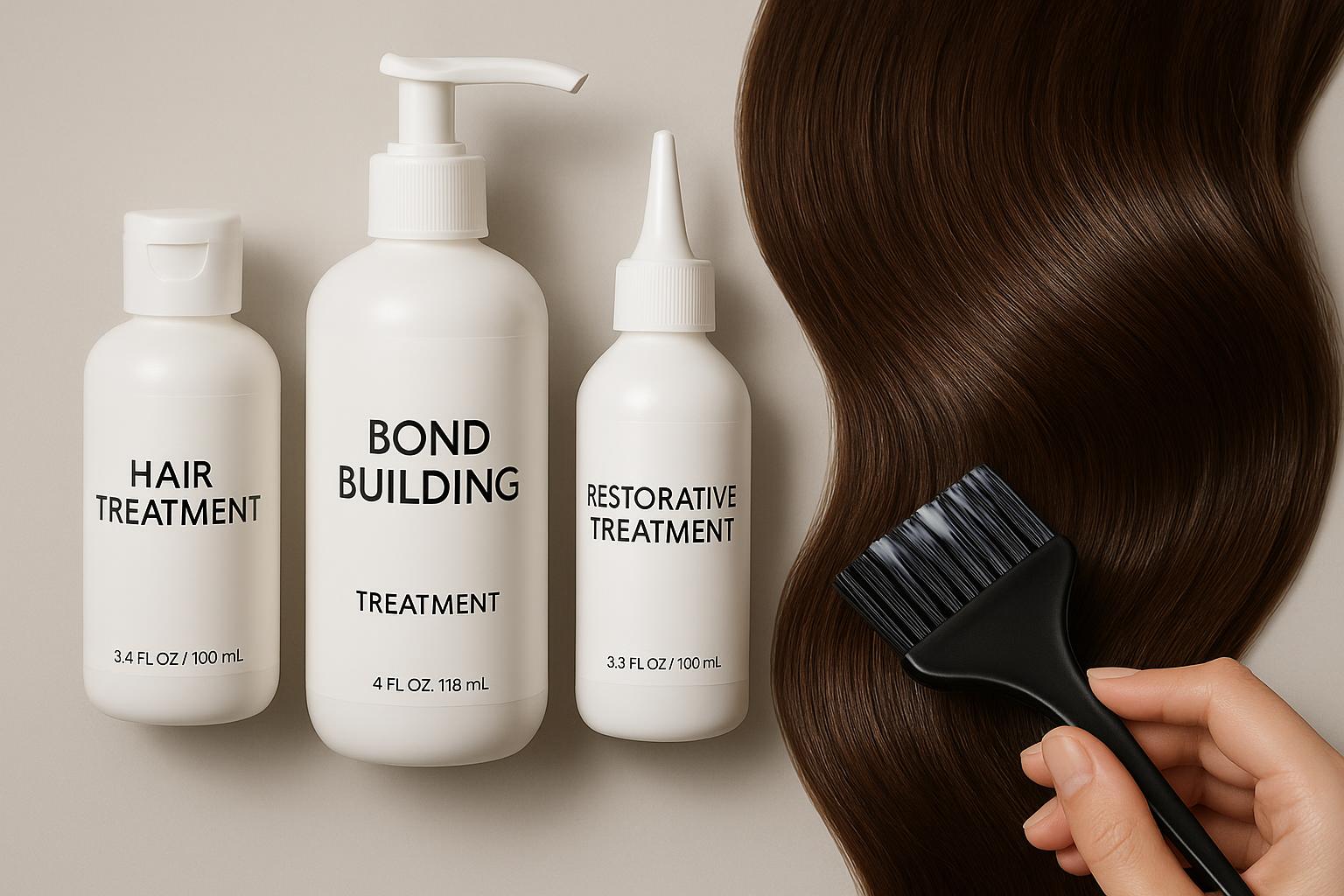
Olaplex vs Wellaplex: Comparing Bond-Building Hair Treatments
Discover the differences between Olaplex and Wellaplex bond-building treatments and which one is right for repairing and strengthening your hair.