
What is Dermaplaning and Should You Try It? Everything You Need to Know in 2026
Dermaplaning is a popular exfoliating treatment that promises instantly smoother, brighter skin. But what exactly is it, and is it the right choice for you? We break down the procedure, benefits, aftercare, and local costs in Beverley to help you decide.
What is Dermaplaning and Should You Try It? Everything You Need to Know in 2026
What is Dermaplaning, Really?
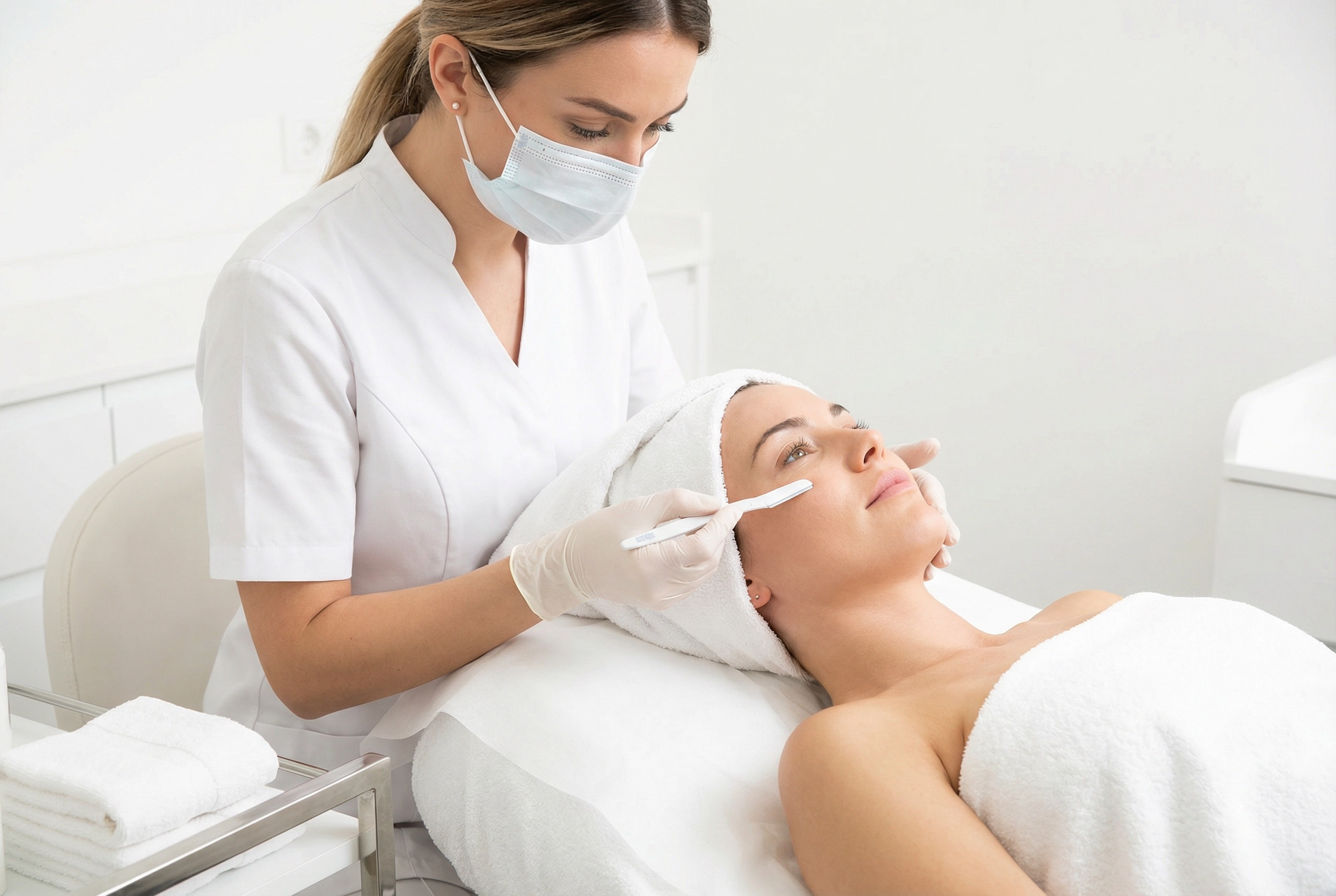
You’ve probably seen it on Instagram or heard friends talking about it – that facial that involves a scalpel. Sounds a bit scary, doesn’t it? But dermaplaning is one of the most popular and effective facial treatments available today, and for good reason. So, what is dermaplaning? In short, it’s a super-effective exfoliating treatment where a trained aesthetician uses a sterile, surgical scalpel to gently scrape off the top layer of dead skin cells and vellus hair (that’s the soft, fine ‘peach fuzz’ on your face).
The result? Instantly smoother, brighter, and more radiant skin. Your makeup will go on like a dream, and your skincare products will penetrate more deeply, making them more effective. It’s a fantastic way to get an instant glow-up with no downtime.
Is Dermaplaning Right for You? A Breakdown for Different Skin Types
One of the great things about dermaplaning is that it’s suitable for most skin types. However, there are a few exceptions. Here’s a quick guide:
- Normal/Combination Skin: You’re the ideal candidate! Dermaplaning will work wonders for you, leaving your skin looking and feeling amazing.
- Dry Skin: Dermaplaning is excellent for dry skin. By removing the build-up of dead skin cells, it allows your moisturisers to penetrate more effectively, helping to combat dryness.
- Oily Skin: If you have oily skin, dermaplaning can help to unclog pores and reduce the appearance of blackheads. However, if you have active acne, it’s best to wait until your skin has cleared up.
- Sensitive Skin: Dermaplaning can be a good option for sensitive skin as it doesn’t involve any harsh chemicals. However, it’s always best to have a patch test first to see how your skin reacts.
- Mature Skin: Dermaplaning is a fantastic anti-ageing treatment. It helps to reduce the appearance of fine lines and wrinkles, and the increased cell turnover can help to stimulate collagen production.
| Skin Type | Suitability | Benefits |
|---|---|---|
| Normal/Combination | Excellent | Smoother, brighter skin |
| Dry | Excellent | Improved hydration |
| Oily | Good (avoid active acne) | Unclogs pores, reduces blackheads |
| Sensitive | Good (patch test recommended) | Gentle exfoliation |
| Mature | Excellent | Reduces fine lines, stimulates collagen |
The Dermaplaning Procedure: What to Expect
So, you’ve decided to take the plunge and book a dermaplaning treatment. What can you expect? The procedure itself is actually very relaxing. Here’s a step-by-step guide:
- Cleansing: Your aesthetician will start by thoroughly cleansing your skin to remove any makeup, dirt, and oil.
- Prepping: A skin-prepping solution will be applied to your skin to ensure it’s completely dry and ready for the treatment.
- Dermaplaning: Your aesthetician will then use a sterile, surgical scalpel to gently scrape your skin at a 45-degree angle. You’ll feel a light scraping sensation, but it’s not painful at all.
- Soothing: After the dermaplaning is complete, a soothing, hydrating mask will be applied to your skin to calm and nourish it.
- Moisturising and SPF: Finally, a moisturiser and a high-factor SPF will be applied to protect your newly revealed skin.
The whole treatment usually takes around 30-45 minutes, and you’ll be able to go about your day as normal afterwards. There’s no downtime required, although your skin may be slightly pink for an hour or so after the treatment.
Dermaplaning Aftercare: The Dos and Don’ts
To get the most out of your dermaplaning treatment and to protect your skin, it’s important to follow the correct aftercare advice. Here are the dos and don’ts:
Dos:
- DO wear a high-factor, broad-spectrum SPF every day. Your skin will be more sensitive to the sun after dermaplaning, so this is non-negotiable.
- DO use gentle, hydrating skincare products. Think hyaluronic acid and ceramides.
- DO drink plenty of water to keep your skin hydrated from the inside out.
Don’ts:
- DON’T use any harsh exfoliants (like scrubs or acids) for at least a week after your treatment.
- DON’T use any retinoids or vitamin C serums for 3-4 days after your treatment.
- DON’T pick or scratch at your skin.
- DON’T go swimming or use a sauna or steam room for 48 hours after your treatment.
How Much Does Dermaplaning Cost in Beverley?
As with any beauty treatment, the cost of dermaplaning can vary depending on the salon and the experience of the aesthetician. In Beverley, you can expect to pay anywhere from £40 to £70 for a dermaplaning treatment. It’s always worth checking that your aesthetician is fully qualified and insured before booking a treatment.
For a truly expert service, we recommend De Lacy Hair and Beauty in the Saturday Market. They are highly experienced in dermaplaning and offer a fantastic service in a beautiful and relaxing setting. You can reach them on 01482 882040 to book a consultation.
The Verdict: Should You Try Dermaplaning in 2026?
So, should you try dermaplaning? If you’re looking for a non-invasive treatment that will give you instantly smoother, brighter, and more radiant skin, then the answer is a resounding yes! It’s a fantastic way to boost your skin’s appearance and your confidence.
Just remember to do your research, choose a reputable salon, and follow the aftercare advice to the letter. Your skin will thank you for it!
Written by Phil Scaife, editor of Beverley Salon Guide.
Share this article
You might also like
More articles on hair-beauty and related topics
Elemis Facial vs Regular Facial: What's the Difference and Which Should You Choose in 2026?
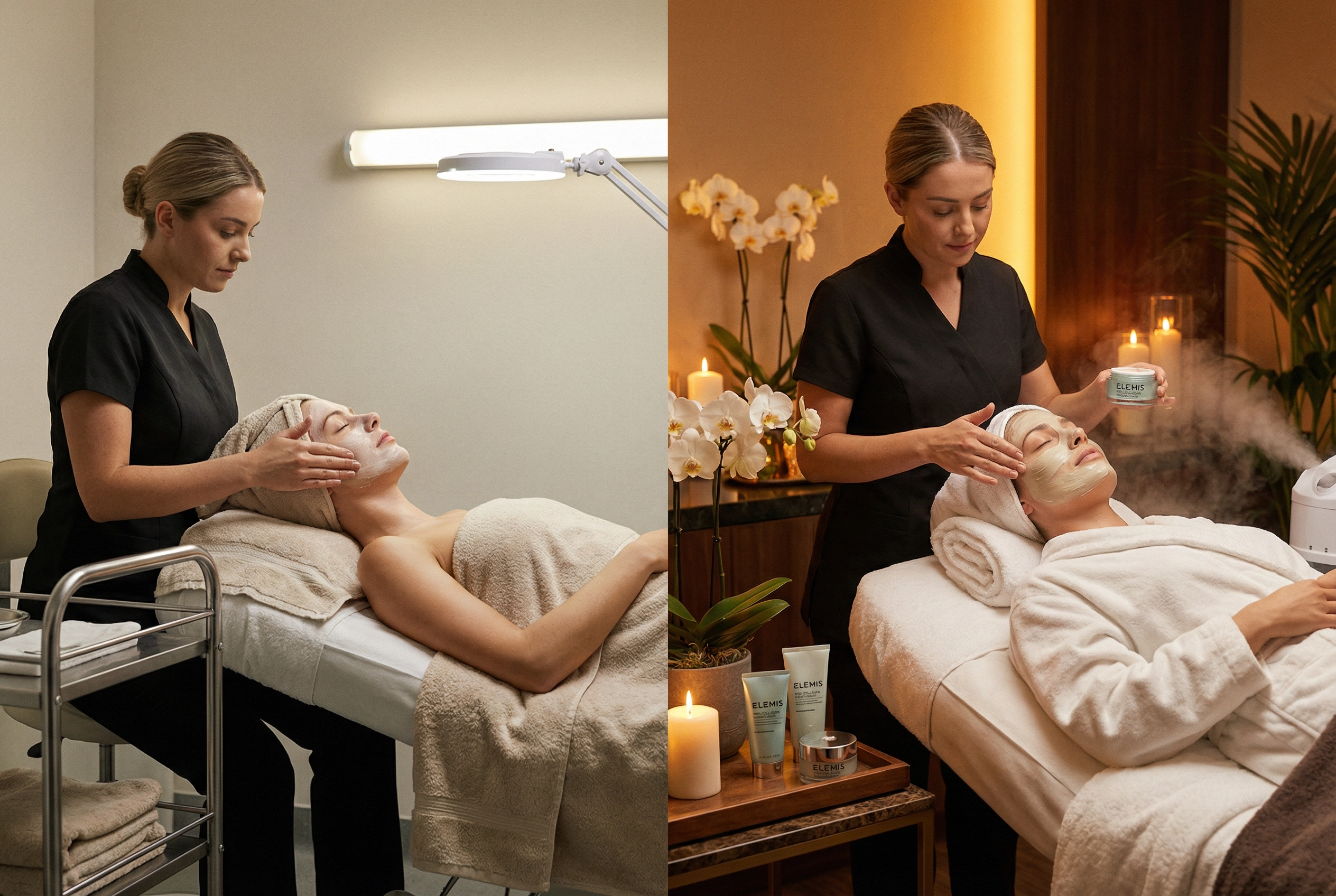
If you're looking to give your skin a real treat and tackle specific concerns, you've probably come across a bewildering array of facial treatments. Two popular options that often come up in conversation are the Elemis facial vs regular facial. But what exactly sets them apart, and how do you decide which one is right for you here in Beverley?
How to Prepare for Your First Massage in Beverley: A Beginner's Guide for 2026
Getting ready for your first massage in Beverley can be an exciting experience, promising relaxation and rejuvenation. Whether you're looking to unwind after a busy week, ease muscle tension, or simply treat yourself, a massage can be a wonderful way to boost your well-being. This guide is designed to help you feel completely prepared and comfortable, ensuring your first massage experience in our lovely market town is nothing short of fantastic.
Wedding Hair Trends in East Yorkshire 2026: What Brides Are Booking Right Now
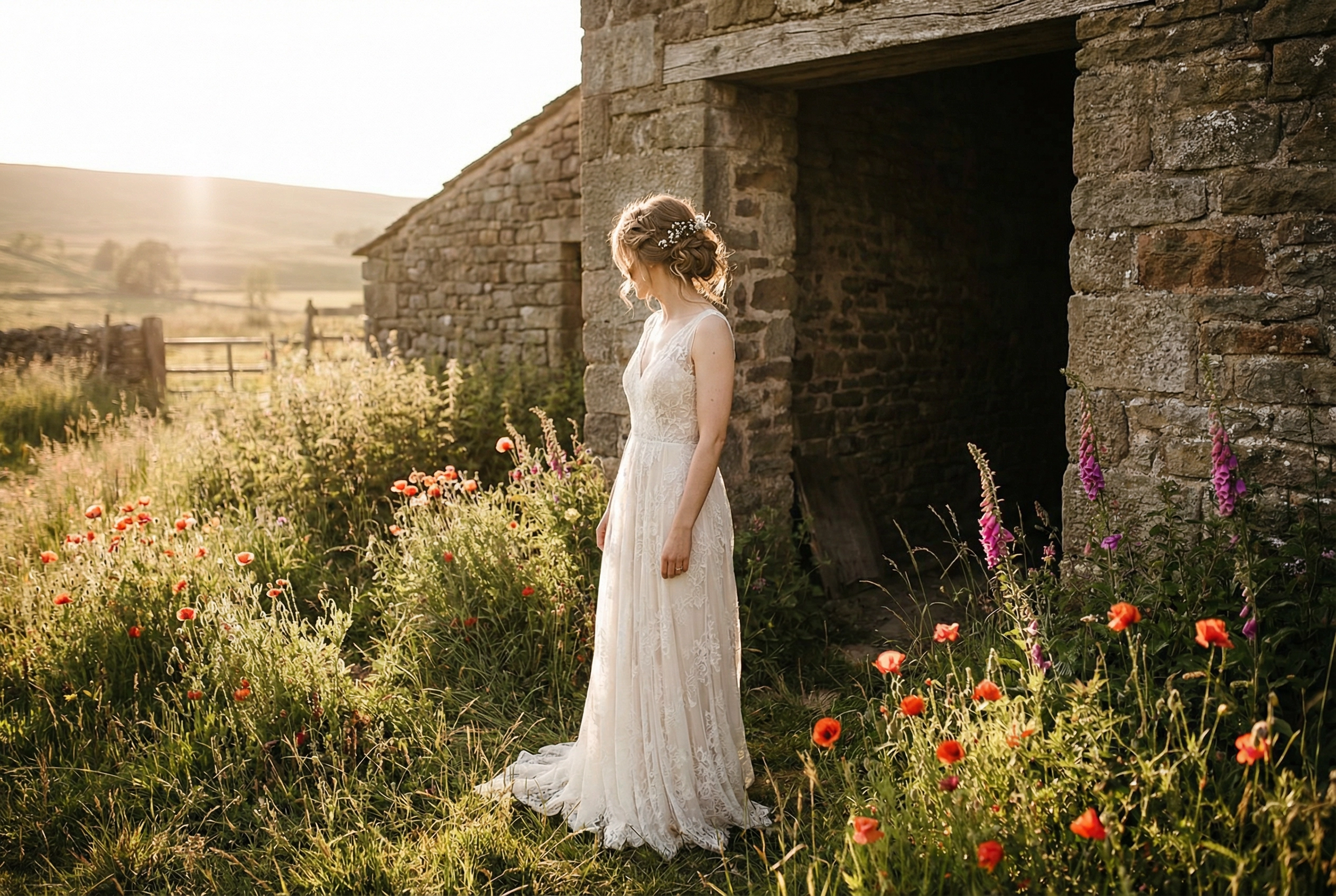
Planning your 2026 wedding in East Yorkshire? Your perfect hairstyle awaits! Explore the most popular bridal hair trends, from elegant updos to glamorous waves, and get expert tips on choosing a look that makes you feel radiant. We also share insights on local preferences and cost considerations to help you prepare for your big day.